
Ferment Academia Residencia 2027
Six days where fermentation needs no explanation

Live, make and eat alongside remarkable practitioners and an international community that shares your fascination.
29 May-3 June 2027
Monte da Orada, Alentejo, Portugal
Ferment Academia Residencia is a six-day immersion in the forests of southern Portugal for people who want to go further into fermentation - and do it in good company. You might spend the morning making koji, collect wild yeast on a walk, then find yourself discussing fermented drinks with an author, chef or researcher over dinner.
It is the rare experience of entering a room where fermentation needs no explanation. Microbes, flavour, food culture and traditional knowledge are not niche interests here. They are where the conversation begins.
All workshops, accommodation, meals, producer visits and round-trip group transport from Lisbon are included.
AT A GLANCE
Ferment Academia at a glance
Six-day residential programme
29 May-3 June 2027
Monte da Orada, Alentejo, Portugal
Small international cohort
Workshops with nine international contributors
Five nights' accommodation
Breakfast, lunch and dinner included
Two Portuguese producer visits
Round-trip group transport from Lisbon
Suitable for curious beginners and experienced practitioners
Investment from €2,850
"Fermenters are often considered a weird and quirky bunch, quite isolated in their passion for microbes, experimentation and bold palates. To come together and be immersed in a community of like-minded individuals - each with their own unique niches and experiences - felt like finding a home amongst family you didn't know you had. The experience reinvigorated me and connected me to a global community."
— Michael Dobson
Chef-owner, Effe Café, Melbourne
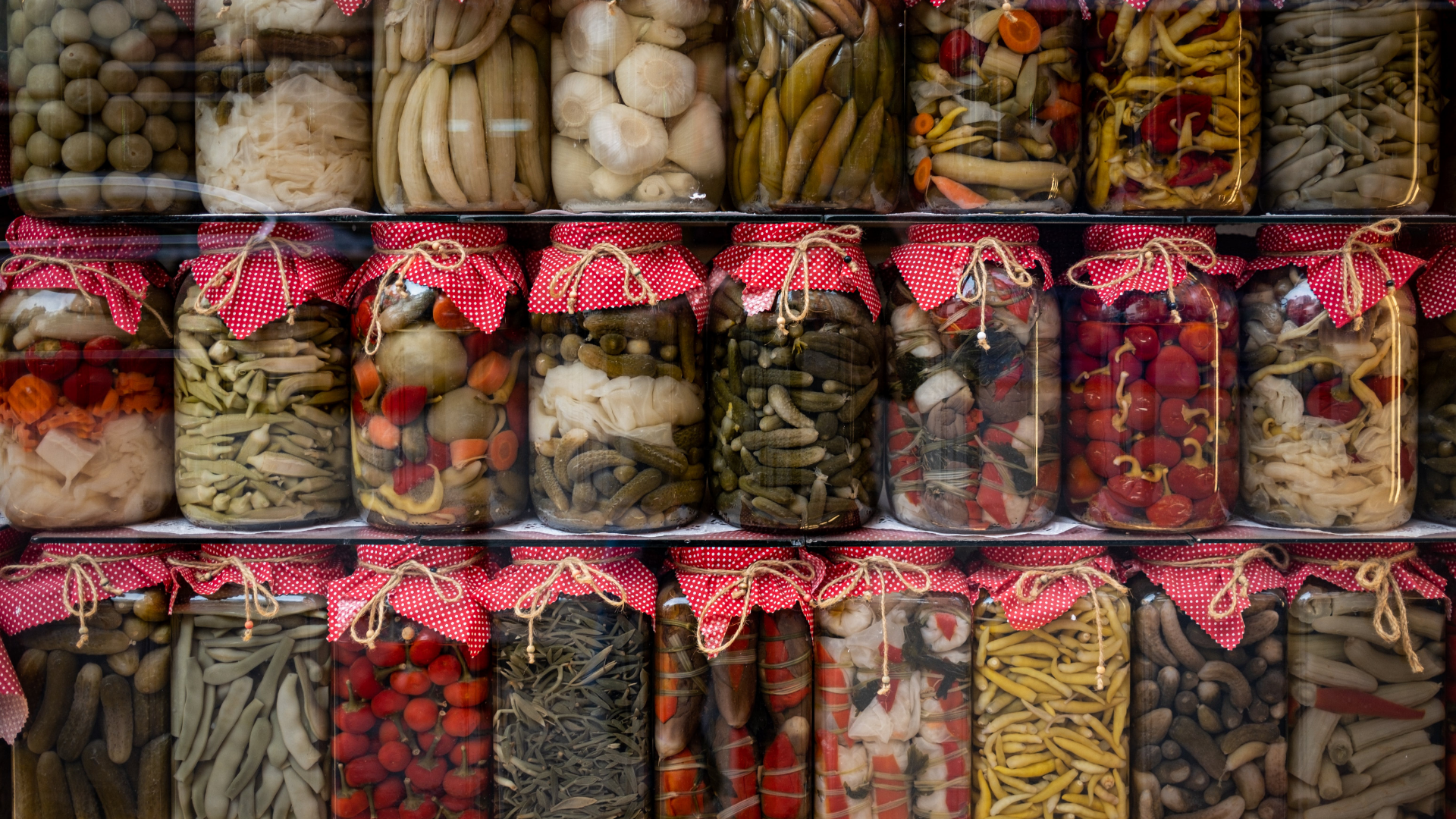
Six days of learning, making and living together
Each day begins in the Alentejo and unfolds differently: koji or seaweed, a tasting table or a forest path, a question in a workshop that continues over dinner.
You will work with chefs, authors, educators, researchers, makers and cultural practitioners - and learn from the people beside you.
A question asked in a workshop may continue over lunch. A jar opened at dinner can reveal a tradition, a technique or an entirely new direction for your own practice.
This is not an event you pass through. It is a residency you become part of.

WHO IT IS FOR
You do not need to be an expert. You do need to be curious.
You might be:
A home fermenter who wants greater confidence and understanding
A chef exploring new ingredients, flavours and techniques
A fermentation professional wanting fresh perspectives and connections
A grower, producer, educator or researcher
Someone fascinated by microbes, food systems and traditional knowledge
A curious cook ready to go well beyond recipes
Some arrive with decades of experience; others have only recently discovered the living world inside a jar. The programme welcomes both. There is no requirement to perform expertise here.
THE EXPERIENCE
What becomes possible when fermentation has your full attention
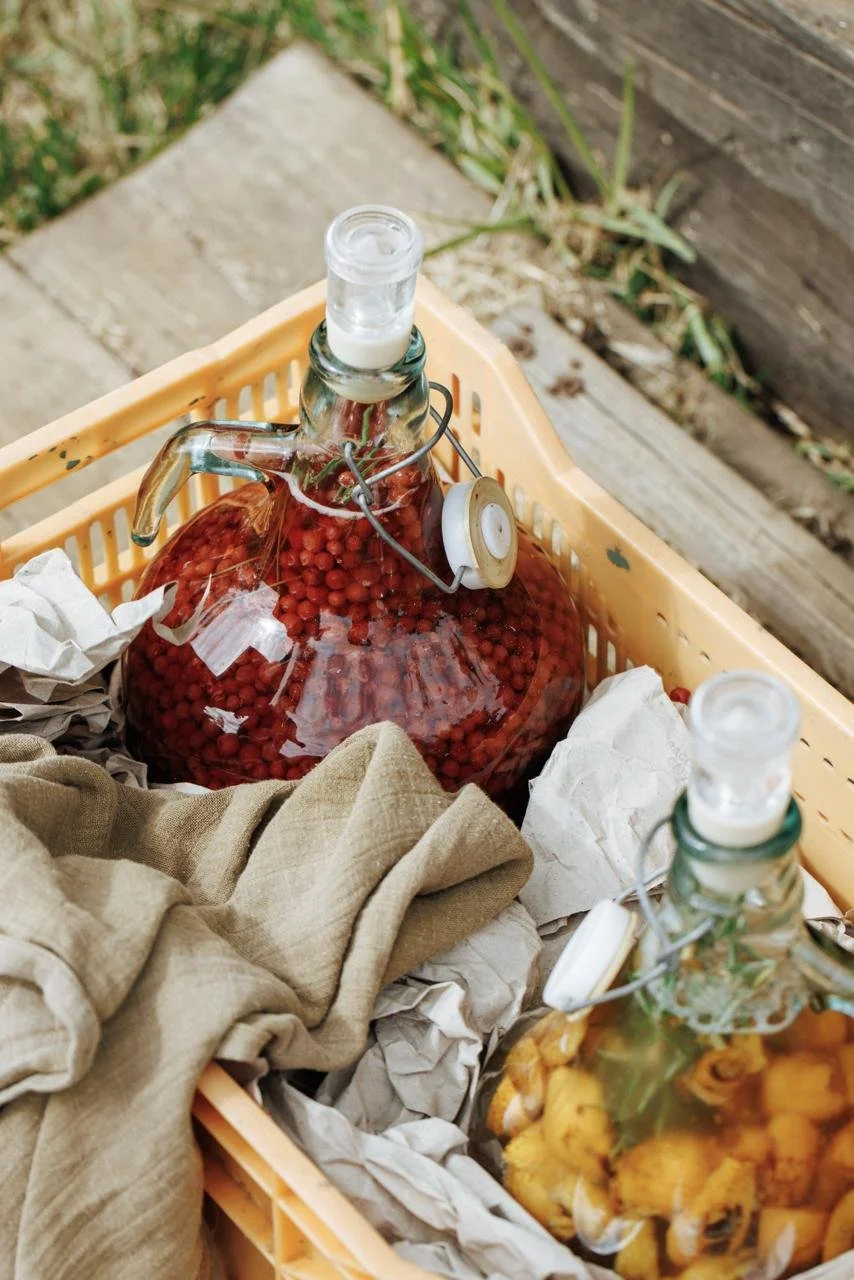
Learn what the recipe cannot tell you
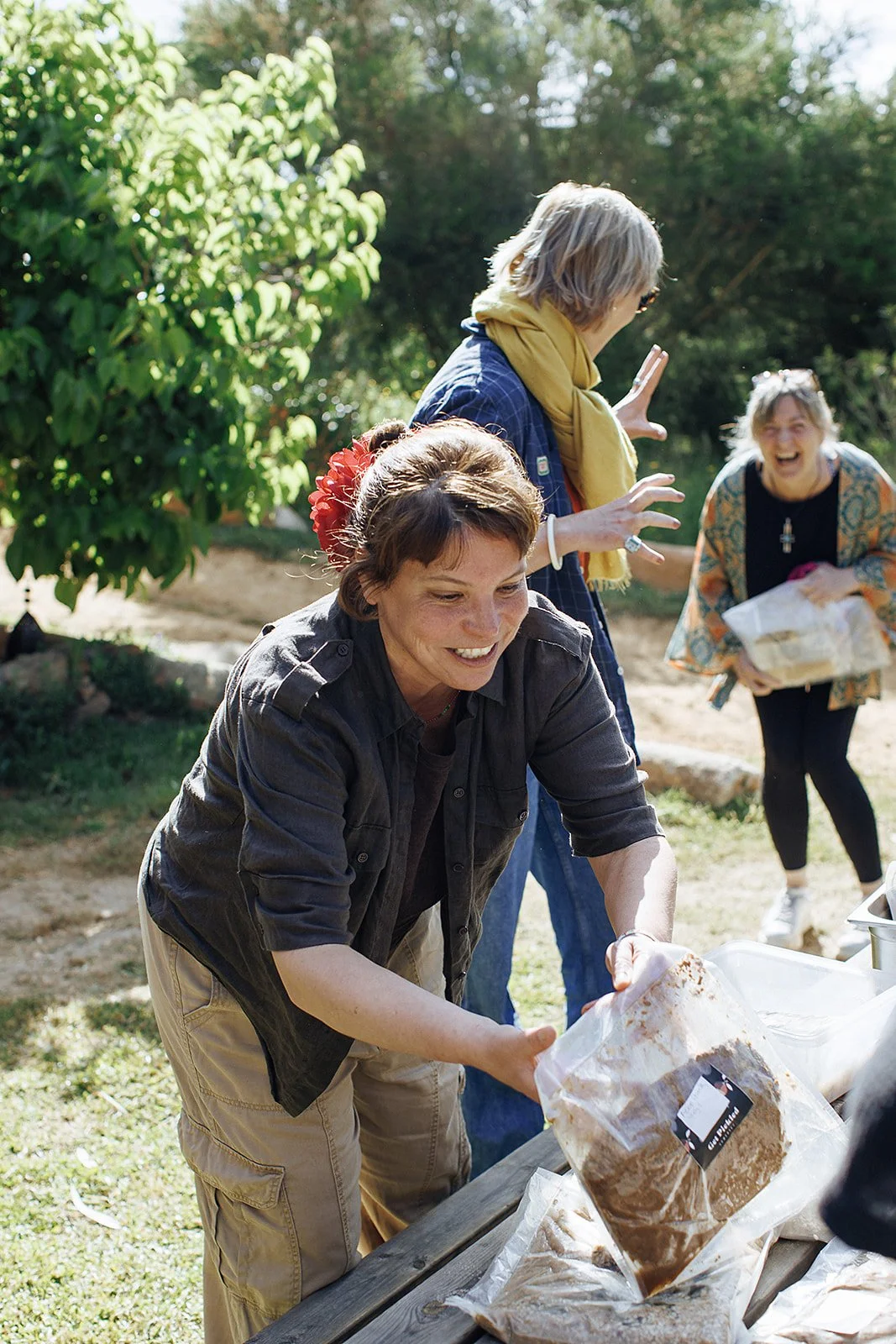
Make and taste alongside professional practitioners. Learn what to notice and how to adjust.
Keep talking when the workshop ends
Revisit a contributor's answer over lunch or in the quieter moments between sessions.
Follow the question that starts beside a jar
Move between koji, wild yeast, coastal ingredients and inherited ferments. Leave with a new line of enquiry.
PROGRAMME
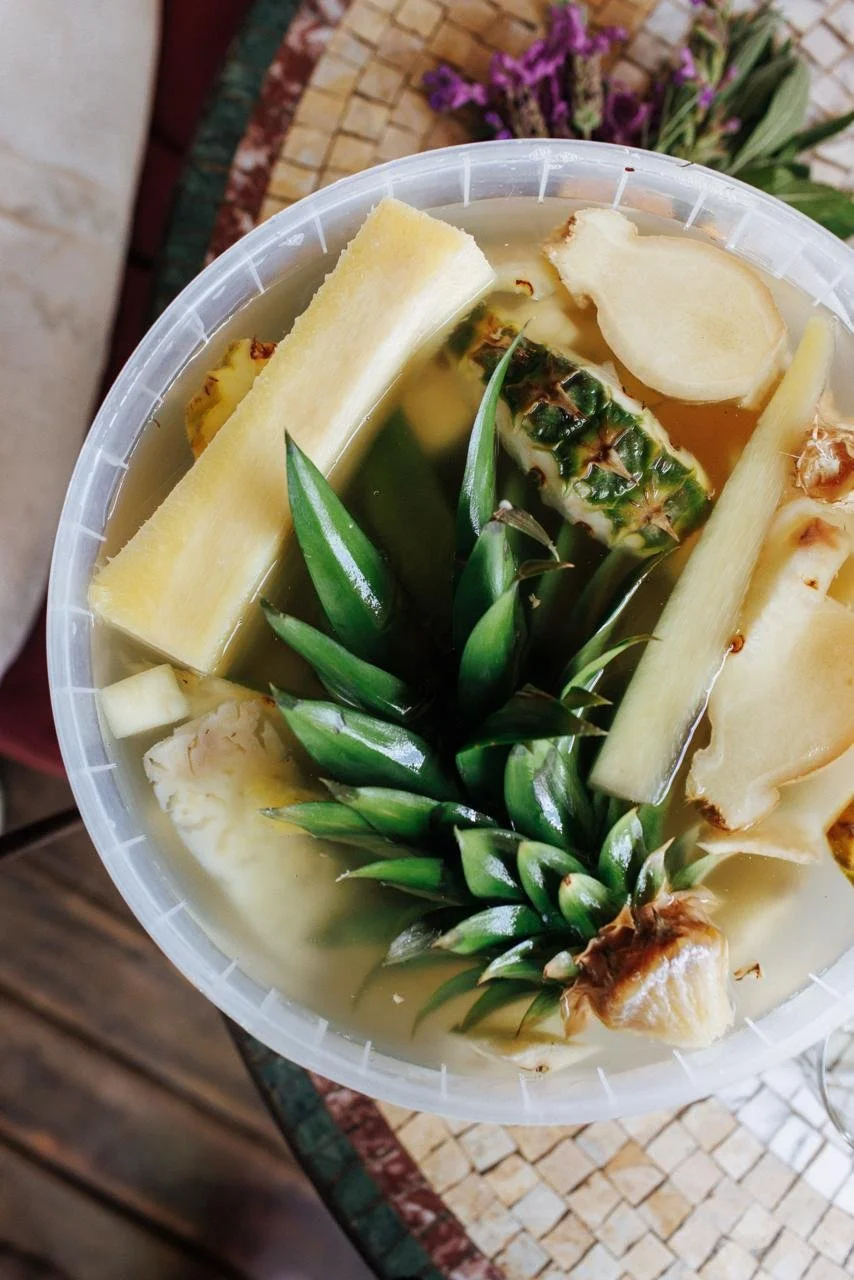
Explore fermentation from microbe to landscape
Microbial craft
- Koji making
- Miso and fermented condiments
- Natto and axone
- Introduction to vinegar making
- Fermented drinks, from wild sodas to natural and ancestral approaches
- Kefir and non-rennet cheeses, including plant-based options
Land, ingredients and place
- Wild yeast collection
- Foraging walks
- Culinary and fermentation uses of seaweed
- Local ingredients and the ecology of the Alentejo
- Visits to producers working with regenerative farming and traditional wine
- Portuguese producers, ingredients and regional food traditions
Food culture and creativity
- Global Asian and Chinese lacto-fermentation traditions
- Ancestral grain and pulse ferments
- Fermentation in traditional and modern kitchens
- Flavour-building and cooking with ferments
- Food, wine and fermented-drink tastings
Community learning
- Open discussions and conversations
- Knowledge exchange between contributors and attendees
- Shared meals and showcase dinners
- Space to follow the questions and ideas that emerge during the week
FOOD
The learning continues at the table
At breakfast, a jar from the previous day's session might return to the table. Lunch may make a technique tangible. Dinner gives a conversation time to wander.
Working closely with Paula and the Ferment Academia team, the Monte da Orada kitchen will prepare a seasonal, ferment-forward menu using local ingredients and techniques inspired by the week's teaching.
Expect:
Breakfast, lunch and dinner throughout the residency
Predominantly plant-based menus
Vegetarian breakfasts including eggs and dairy
Two showcase meals created by our facilitators
Shared tables designed for conversation
Dinner beside the sea at a family-run Portuguese seafood restaurant in Zambujeira do Mar
Please share dietary requirements when booking. Alcohol at the venue and seafood restaurant is not included.

"The food beautifully reflected the philosophy behind the Academy."
Melanie McIntosh
Chef, fermenter and educator

JOURNEY AND FIELD VISITS
The residency begins before we arrive
We travel together from Lisbon, stopping along the way to encounter the food, farming and landscape that will frame our week.
Saturday 29 May
9.00am - Depart Lisbon
10.30am-3.00pm - Montado do Freixo do Meio
Visit a regenerative cork farm working with soil health, biodiversity and bolota acorns, followed by lunch.
6.00pm - Arrive at Monte da Orada
Sunday 30 May-Wednesday 2 June
The Ferment Academia programme takes place at Monte da Orada.
Thursday 3 June
11.00am - Check out
1.00-3.00pm - Gerações da Talha
Visit and lunch at a fifth-generation, female-led talha winery.
6.00pm - Arrive in Lisbon

VENUE
A new home for Ferment Academia
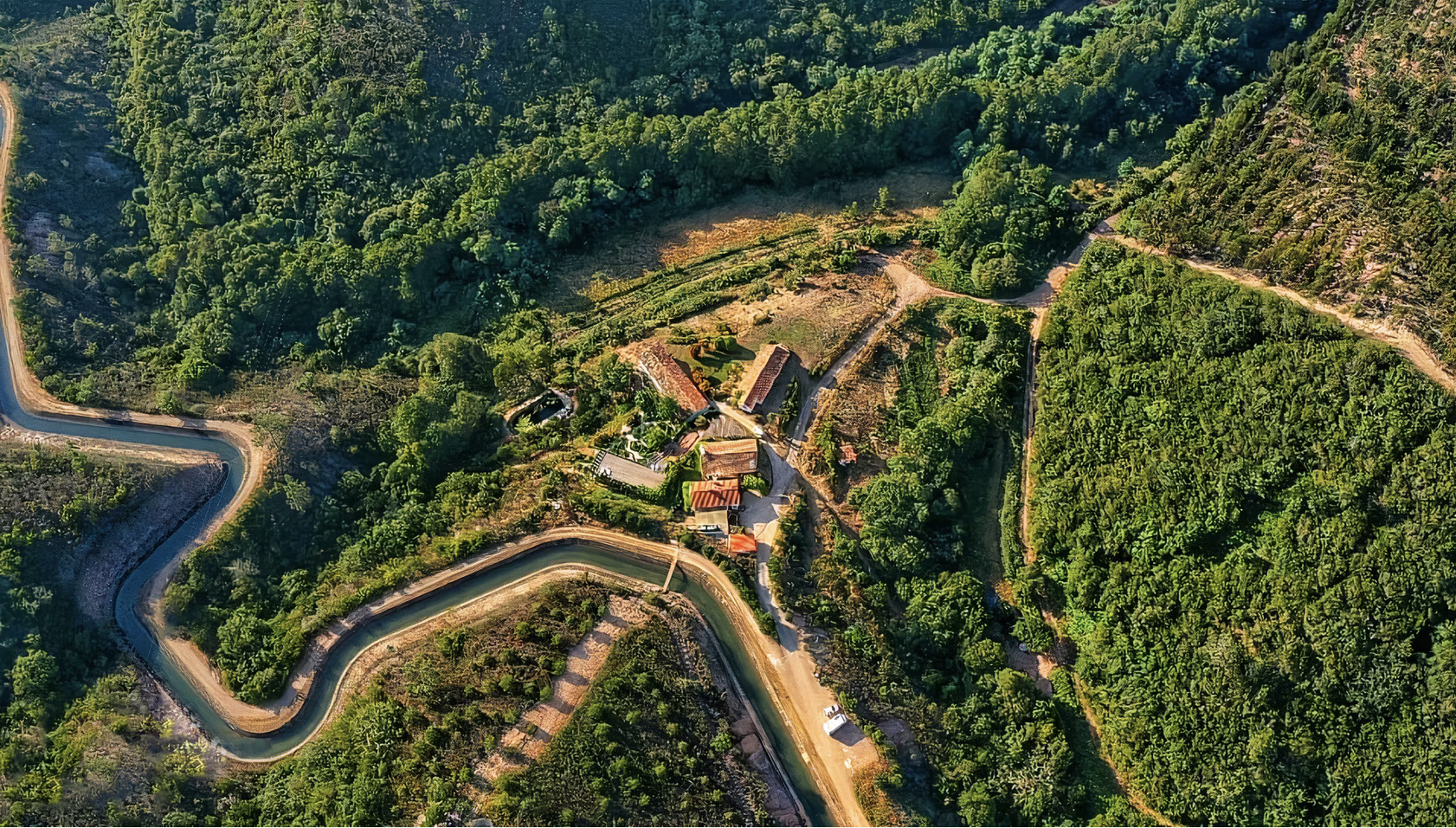
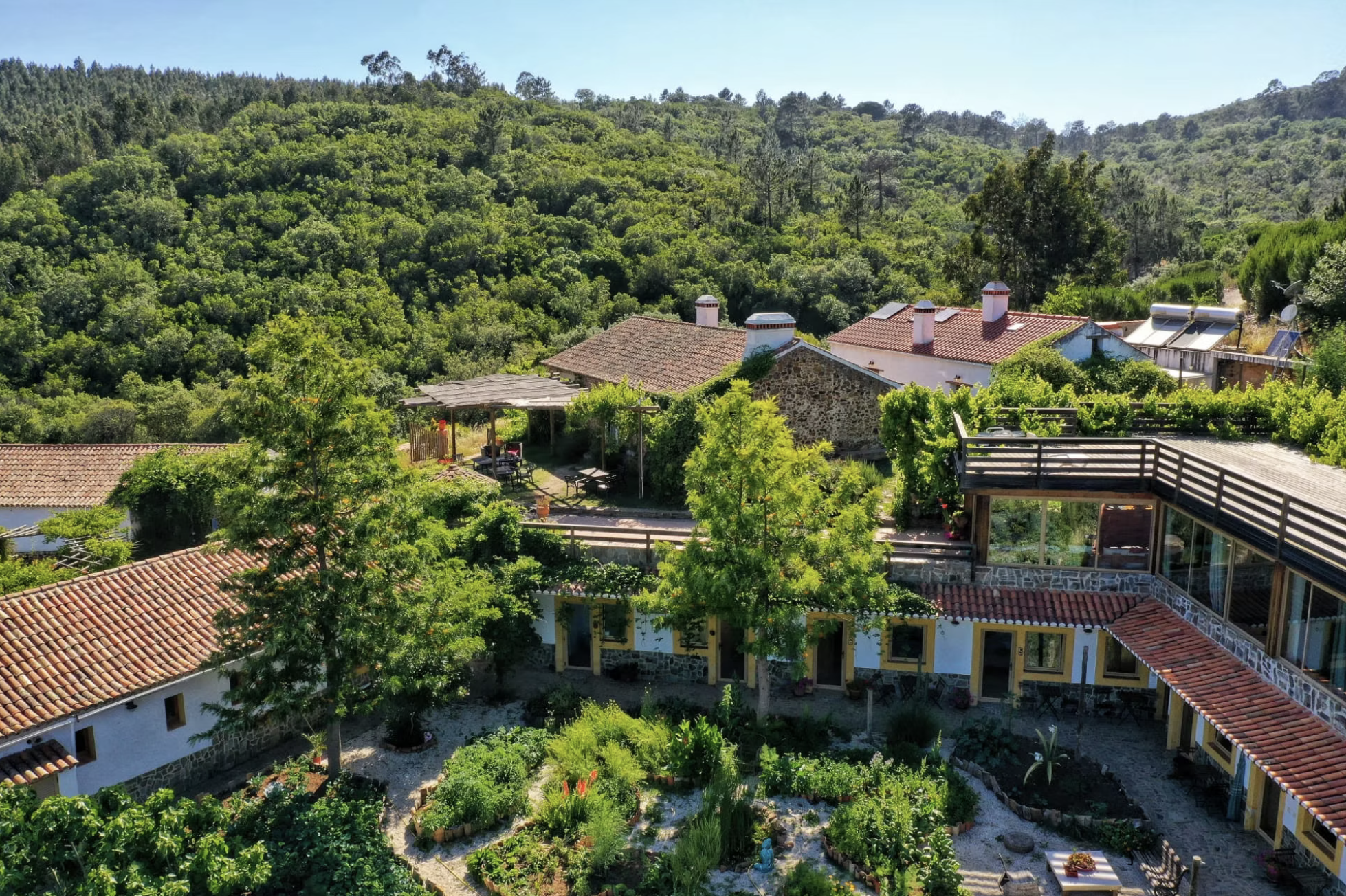
Monte da Orada is a family-run eco-retreat set within 70 hectares of private forest in the South Alentejo.
Built on permaculture principles, the land dates back to the 12th century and still retains its original sacred water source.
The Atlantic coast is just 15 minutes away.
Monte da Orada at a glance
70 hectares of private forest
Dedicated workshop spaces
Natural swimming pool
Indoor and outdoor shared dining
Wellness facilities
Permaculture-led land management
15 minutes from the coast
CONTRIBUTORS
Learn from people shaping fermentation today
Nine contributors bring practical skill, scientific knowledge and traditions from across the international fermentation community.
-
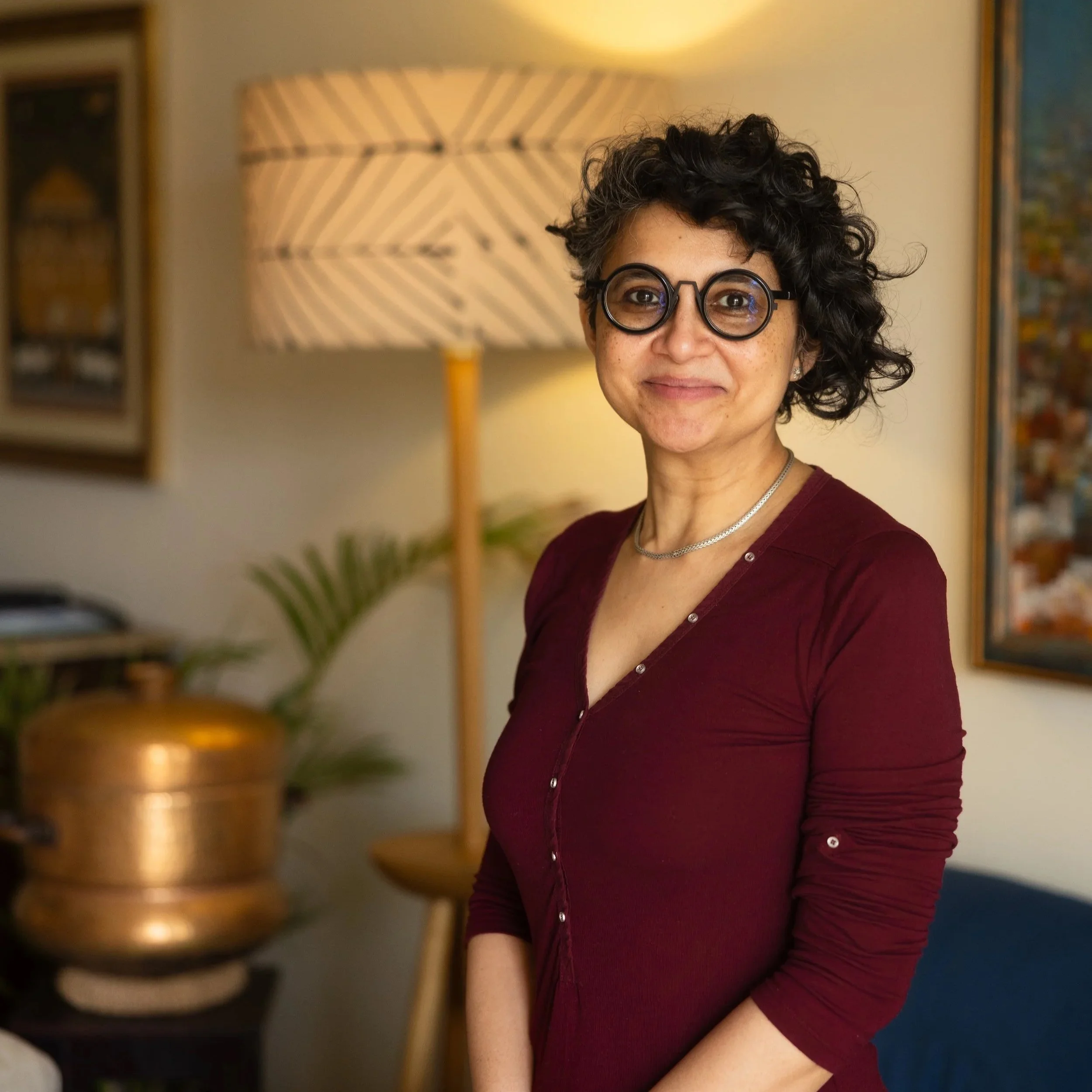
Payal runs Kōbo Fermentary, a flavour lab, think tank, and creative fermentation studio in Bengaluru. She's not a chef, food scientist, or microbiologist by degree (her academic roots are in organisational psychology), but she's spent over twenty years exploring the wild, unpredictable world of microbes and flavour. What began as a ginger-beer obsession in her early twenties spiralled, gloriously, into a lifelong love affair with fermentation. Payal is neurodivergent, with ADHD and Autism, and that shapes how she learns, teaches, and creates: nonlinear, adaptive, full of unexpected connections. Her work is as much research as flavour. She's currently working on flavour matrices, Indian koji applications, and the cultural history of fermentation in India, collaborating with farmers, chefs, researchers, and artists.
-
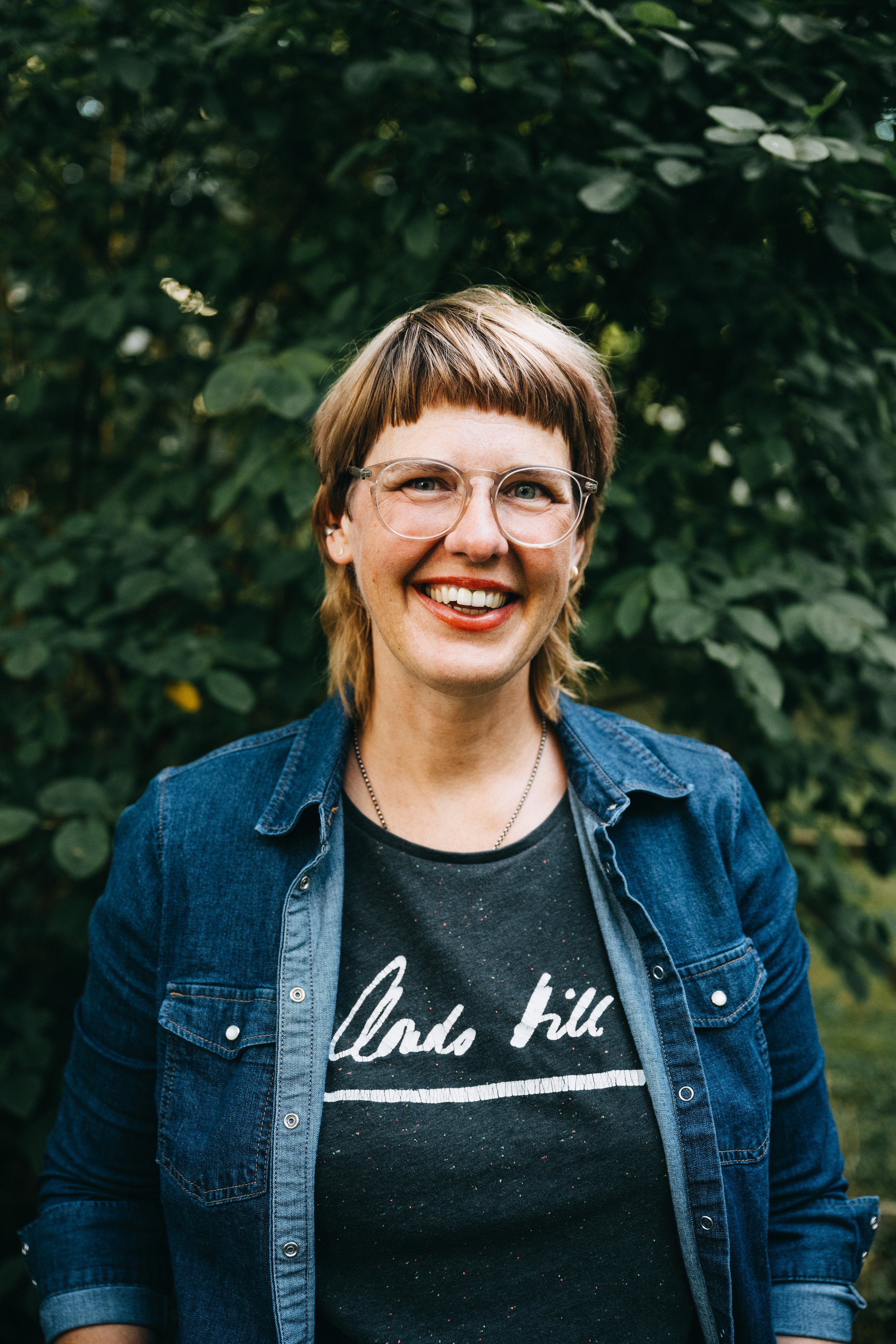
Katsu Lask is a Hamburg-based fermentista, author, and educator with two published books on fermentation and a third in the works. Harvard-certified and deeply rooted in hands-on practice, she brings a combination of craft, microbial science, and a genuine talent for making fermentation feel approachable and alive.
Her expertise spans the full fermentation spectrum from lacto-fermented vegetables and wild ferments to koji, fermented beverages, and cooking with ferments. She teaches regularly, mainly in collaboration with organic farms and regional vegetable growers around Hamburg, and forages for wild herbs in her own neighborhood, weaving seasonal and local ingredients into her practice in ways that feel both ancient and entirely relevant.
Through her platform fermentation.love and instagram @fermentation.love, she shares carefully tested recipes, science-based knowledge, and personal insights from daily life with beneficial bacteria, always with the goal of building confidence and enthusiasm for fermentation in everyday kitchens.
-
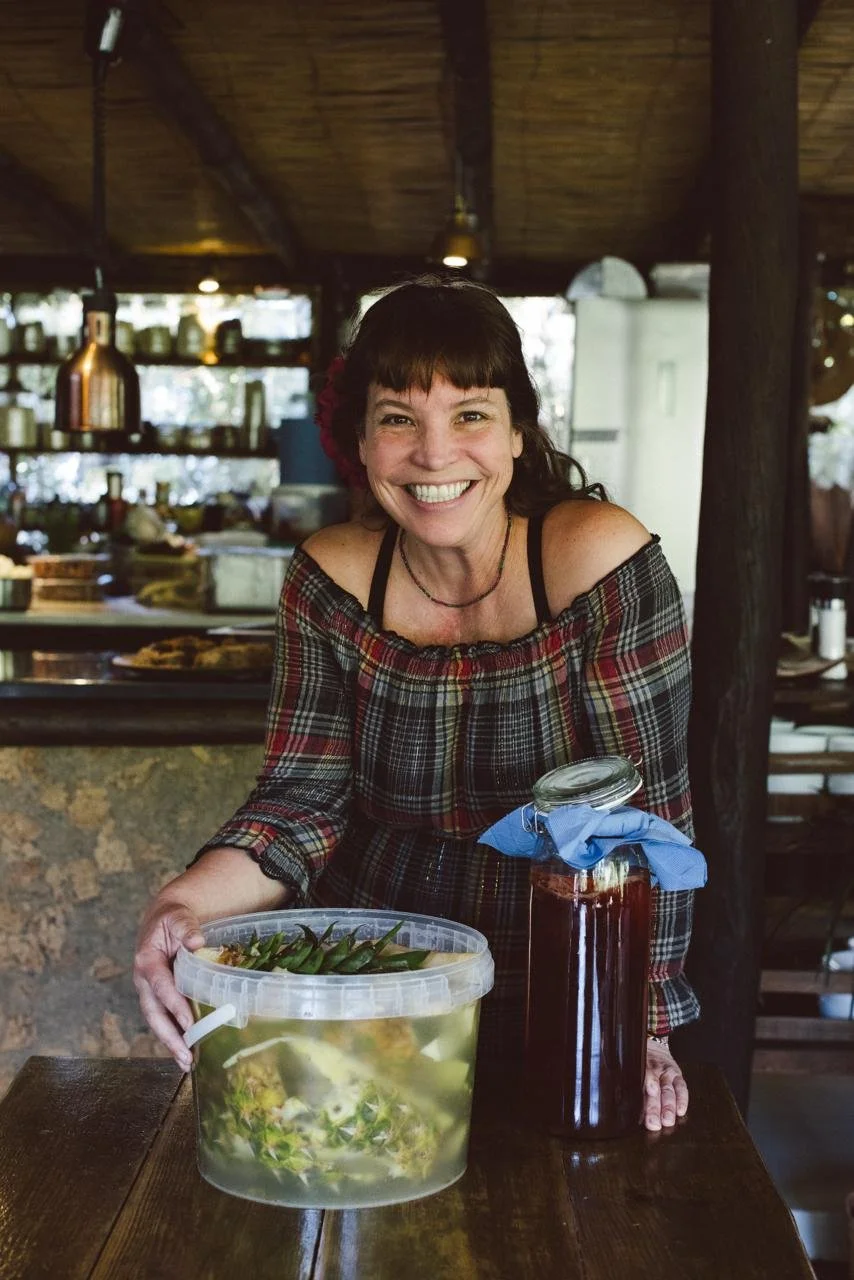
Paula is a Brazilian fermentation educator, award-winning producer, and founder of Get Pickled Somerset. Based in Frome, she left academia to follow her passion for preserving and fermenting local fruit and vegetables and has since won Great Taste Awards and Taste of the West for her products. She's a member of the Fermenters Guild and has taught workshops across the UK and online, including a session on ancestral Brazilian fermentation for The Fermentation School. Her work now weaves together flavour, education, and storytelling, with a strong emphasis on sustainability and cultural knowledge-sharing. She's the founder and host of Ferment Academia.
-
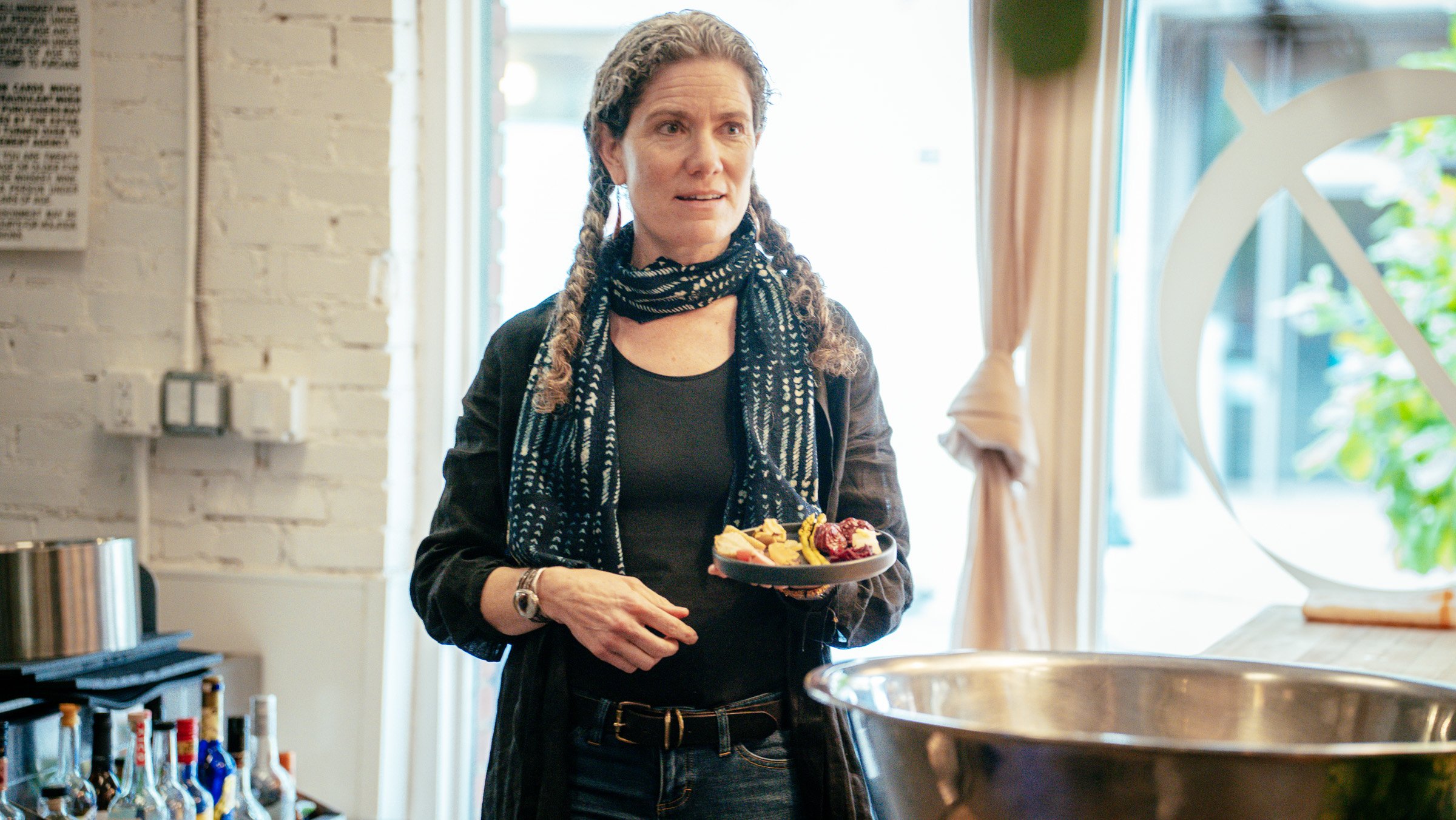
Kirsten K. Shockey is the author of award-winning Homebrewed Vinegar, co-author, with her husband, Christopher Shockey, of award-winning The Big Book of Cidermaking; award-winning Miso, Tempeh, Natto & Other Tasty Ferments; Fiery Ferments; and the best-selling Fermented Vegetables, now available in the 10th anniversary edition.
She became passionate about food from the ground up when she and her family moved to 40 acres of wooded hillside in Southern Oregon. This became planting fruit trees, raising dairy animals, growing vegetables and preserving the harvests which grew into a farmstead food company—all while four children grew (and they grew and grew, to a combined height 25 feet, 8 inches).
Kirsten realized her passion lay in the desire to both teach people how to ferment and push this culinary art to new flavors. She leads experiential workshops worldwide and online helping people to make, enjoy and connect with their food through fermentation. Kirsten can be found writing about life and fermentation at fermentingchange.substack. She is a co-founder of The Fermentation School a women-owned and women-led benefits corporation supporting the voices of independent educators to empower learning and build culture.
-
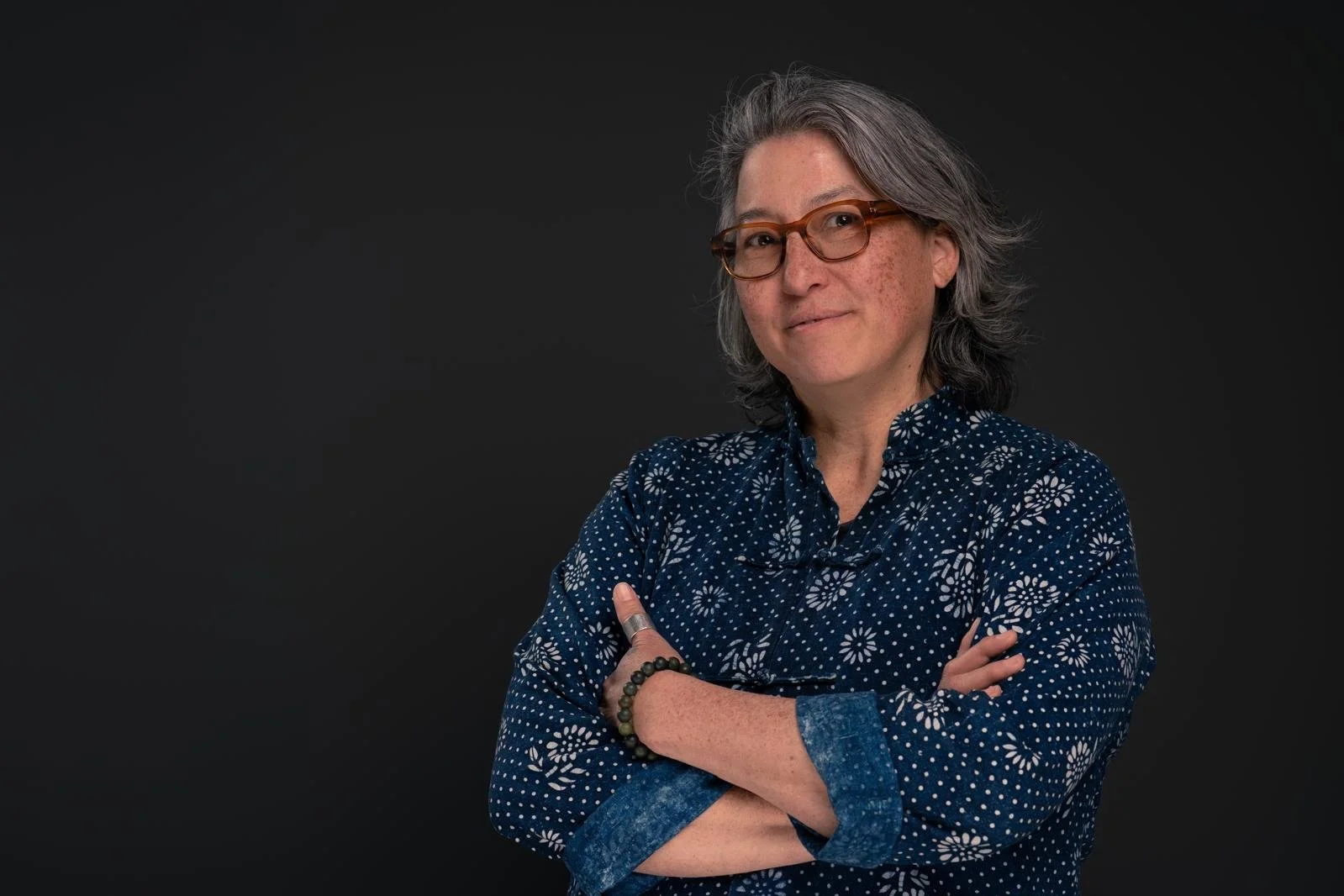
Mara King is a fermentation educator, filmmaker, and hospitality systems builder working at the intersection of food, culture, ecology, and craft. As Director of Fermentation & Sustainability at Id Est Hospitality, she helps shape fermentation, preservation, and regenerative sourcing across a collection of acclaimed restaurants recognized for their thoughtful, ingredient-driven approach.
She co-founded Ozuke, a fermented foods company, and has spent nearly two decades studying, practicing, and teaching fermentation traditions around the world. Her film work explores foodways and fermentation across Southwest China and Taiwan, documenting the connections between microbial culture, regional cuisine, and living tradition.
Her current work brings together restaurants, farms, researchers, and traditional knowledge holders through a growing network of international collaborations exploring fermentation as both an ancient craft and an evolving cultural practice.
-
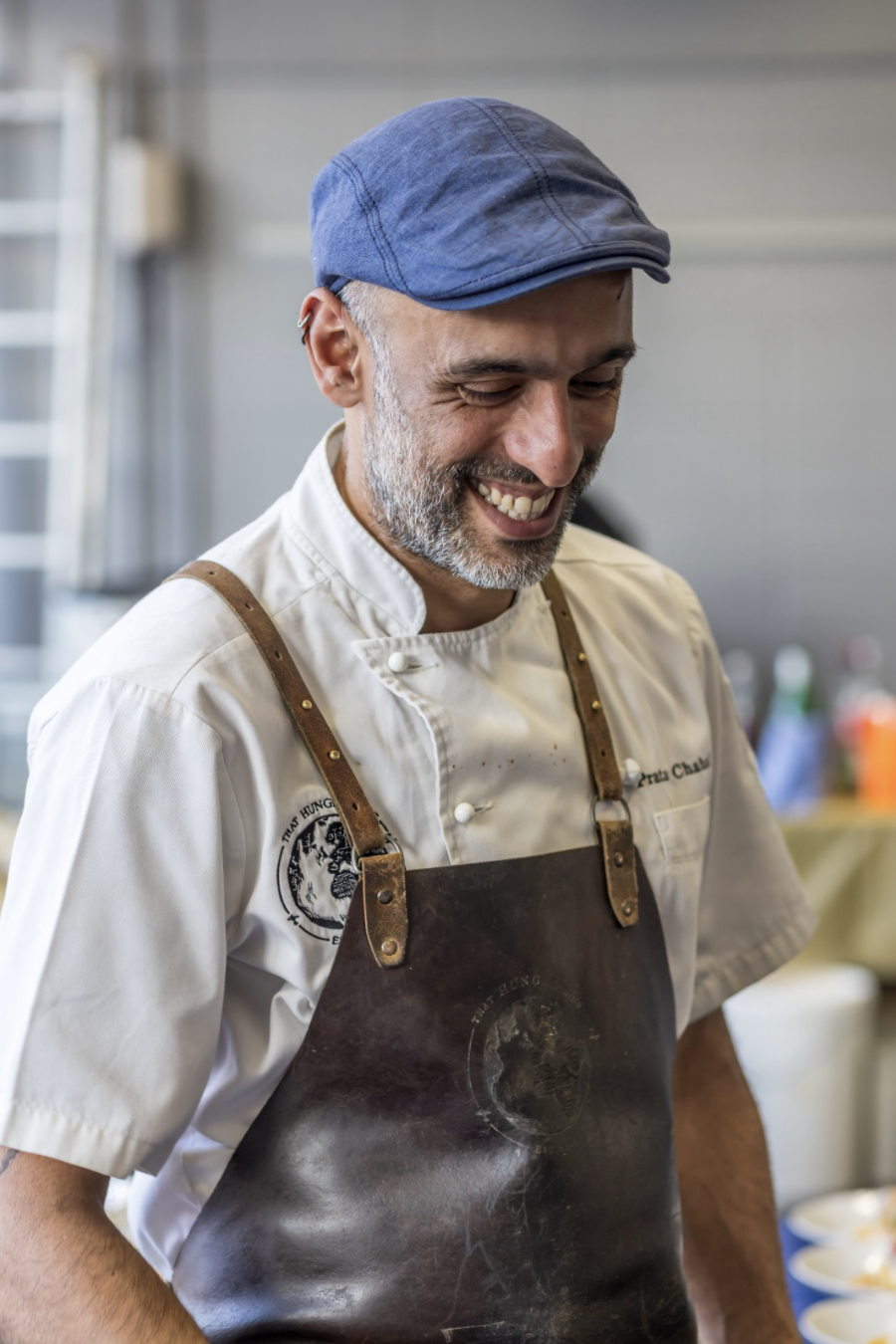
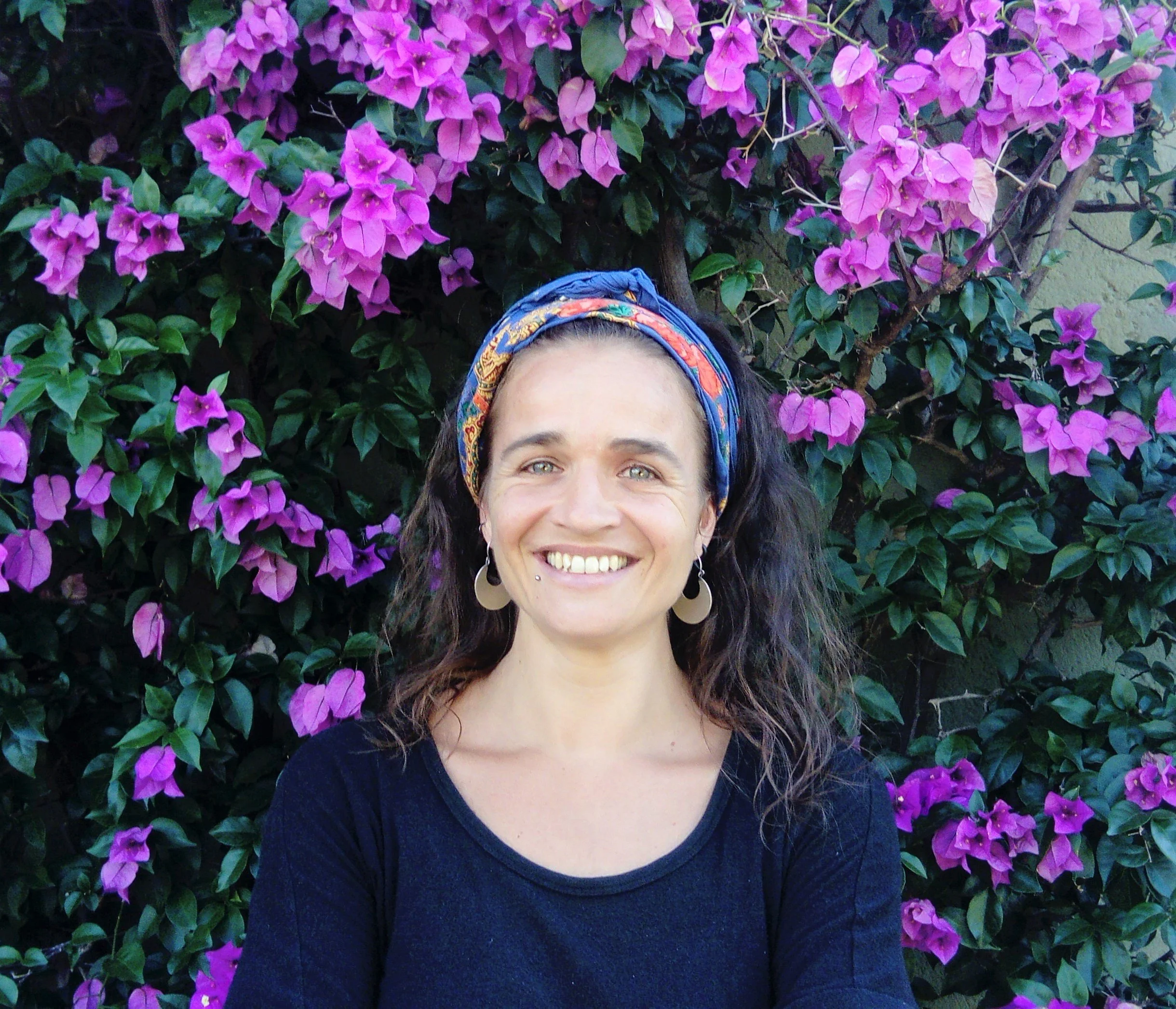
Pratap Chahal has spent over a decade developing multisensory dining experiences through his London-based business That Hungry Chef. His work braids fermentation, scent, literature, and Indian culinary history into singular experiences. Trained in high-end professional kitchens including Gordon Ramsay, Cinnamon Club, and Chez Bruce, he moves fluently between sensory precision and fermentation chemistry. A Great Taste Awards judge, Fermenters Guild member and product development chef, Pratap offers private chef services, bespoke catering, and event planning for clients seeking precision and cultural depth in their dining. His approach—rooted in both technical rigour and storytelling—extends to product development and food writing, treating every dish as an entry point to place, memory, and flavour.
-
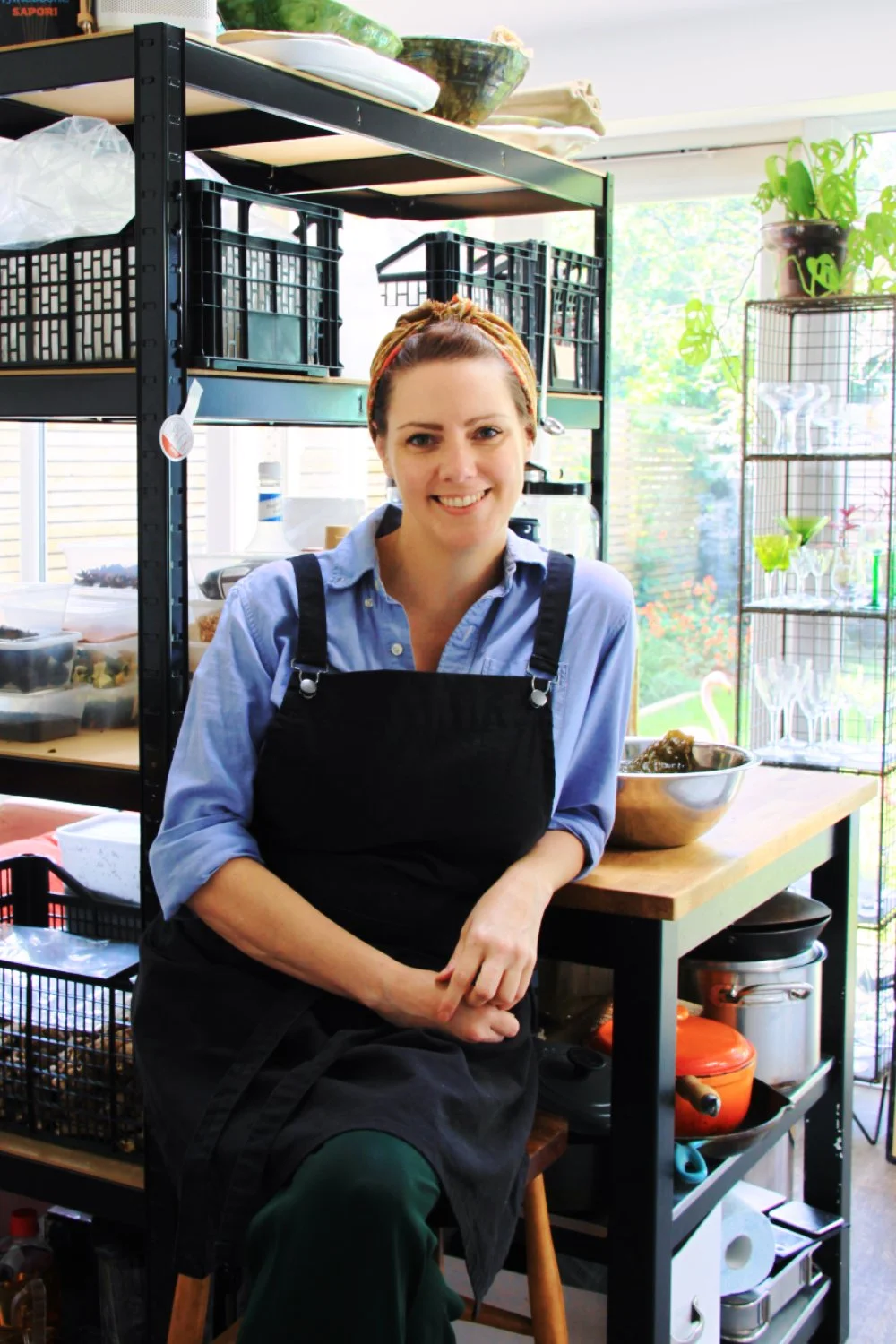
Sole Saburido Álvarez is a Doctor of Plant Biology, researcher, and educator dedicated to the preservation of agricultural traditions, cultivated biodiversity, and food sovereignty. Her professional journey focuses on the intersection of seeds, botany, and microbiology, framing fermentation as a living ecological practice. In 2019, she established Fermentos da Meiga, and since 2021, she collaborates with The Fermentation School en Español, bridging rigorous scientific knowledge with ancestral culinary wisdom.
Based in Galicia, Spain, Sole facilitates hands-on experiences and workshops that treat fermentation as a transformative tool capable of unlocking food digestibility, seasonal awareness, and cultural preservation. Her commitment focuses on safeguarding the intangible heritage of rural culture and promoting community well-being, expanding her reach in educating on sustainable, conscious food systems.
-
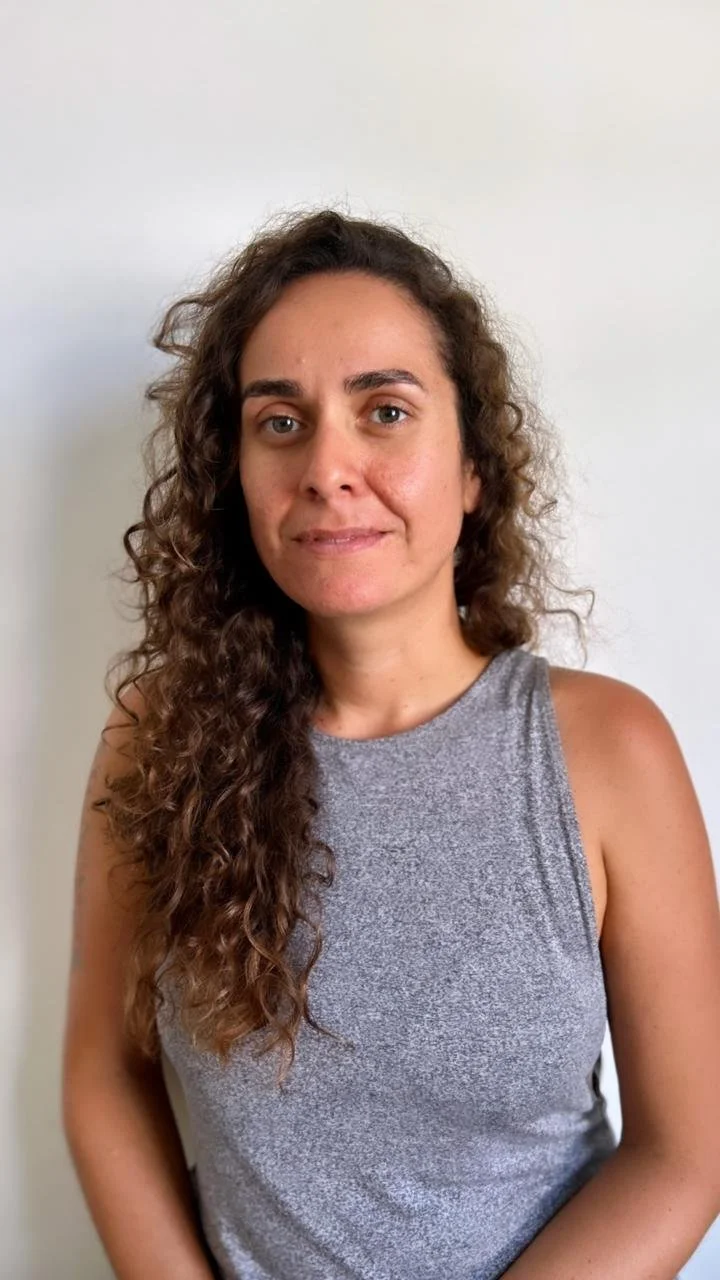
Melanie McIntosh is a chef who is drawn to slow transformations; seaweed drying in the wind, jars quietly fizzing and mold blooming. From preserving the garden at an early age in Canada to scouting out all the flavours of pickled things while living in Japan thus cementing a love of sour and funk. Melanie left cooking at London’s Little Duck the Picklery to make and sell her ferments during the covid years. She has worked in R&D and as a chef in Germany, Poland, New York, and recently filmed a television show in Japan about ‘tsukudani’, a shoyu based preservation technique. She works with British and Irish seaweeds at pop-ups, events and workshops showcasing these often forgotten ingredients, as something generous, alive, and deeply delicious.
-
Stephanie is the producer of the residency and a fermentation-focused anthropologist based in Brazil. A PhD candidate at the Federal University of Paraíba, her research looks at how people understand and share microbial knowledge across cultures, blending multispecies ethnography, sensory methods, and digital anthropology. Alongside her academic work, she has over a decade of experience in the social impact sector, supporting community building and education across Latin America and beyond. Her project, Ferment antropologia, documents how fermentation serves as a cultural tool and a point of connection between humans and microbes. She's an active member of the global fermentation community, with a strong focus on accessibility, collaboration, and cultural context.
PRICING
Choose the stay that suits you
You are joining a small international cohort with time to learn directly from people working across restaurants, farms, research, publishing and traditional practice.
The price includes five nights' accommodation, every meal, private group transport from and back to Lisbon, the complete teaching programme and two producer visits with lunch.
Basic - €2,850
Shared accommodation (room up to 4 people)
Standard - €3,350
Twin room (ensuite)
Premium - €3,850
Single occupancy (ensuite)
Places are offered across shared, twin and single accommodation, with limited availability in each category.

Payment options
Pay in instalments
30% non-refundable deposit when you enrol
30% by 1st December 2026
Remaining 40% by 1st April 2027
Pay in full
Receive a 10% discount when paying in full on enrolment. If you cancel by December 2026, 50% of the full payment is refundable.
Early-bird places
The first five people to enrol receive a 15% discount:
Basic - €2,425
Standard - €2,850
Premium - €3,275
Your place and any applicable early-bird discount are confirmed once your deposit has been received.

Not included
Air travel
Arrangements in Lisbon before or after the residency
Alcohol purchased at Monte da Orada or the seafood restaurant
Frequently asked questions
-
No. Some attendees work professionally with fermentation; others are home fermenters or curious cooks. Genuine interest and a willingness to learn are what matter.
-
Five nights' accommodation, the complete programme, meals, producer visits and round-trip group transport from Lisbon.
-
You do not need to arrange transport from Lisbon. The group departs Lisbon together at 9.00am on 29 May and returns at approximately 6.00pm on 3 June.
-
The menu is predominantly plant-based, with vegetarian breakfasts including eggs and dairy. Share allergies and dietary requirements when booking so the team can confirm what is possible.
-
Yes, subject to availability. Shared, twin and single-occupancy options are offered, with limited places in each category.
-
The programme is designed as one complete residential experience, so places are offered for the full residency only.
-
Once payment is received, the team will send practical information including the Lisbon meeting point, accommodation details and what to bring.
"I've been fortunate to attend many courses throughout my career, but Ferment Academia was something altogether different... I left with deeper knowledge, renewed curiosity, lasting friendships, and the knowledge that this remarkable community extends far beyond the Academy itself."
— Theresa Kane
Chef, fermenter and food safety advisor, Booch and Bia, Ireland

What might begin here?
A new way of working with koji. A wild yeast gathered in the Alentejo. A question you finally have the right person to ask.
Perhaps it will be a collaboration between practices that would never otherwise have met. Perhaps simply six days in which fermentation receives your full attention.
You will leave with techniques to use, flavours to remember and people with whom to continue the conversation.
If that is the experience you have been looking for, we would love to welcome you.
29 May-3 June 2027
Monte da Orada, Alentejo, Portugal
Shared, twin and single accommodation are available in limited numbers.
Your place is confirmed once your deposit has been received.
Reserve your place
Complete the form to select your accommodation and preferred payment option.
Once submitted, the Ferment Academia team will contact you with payment details. Your place and any applicable early-bird discount will be secured when payment of your deposit or full balance is received.